

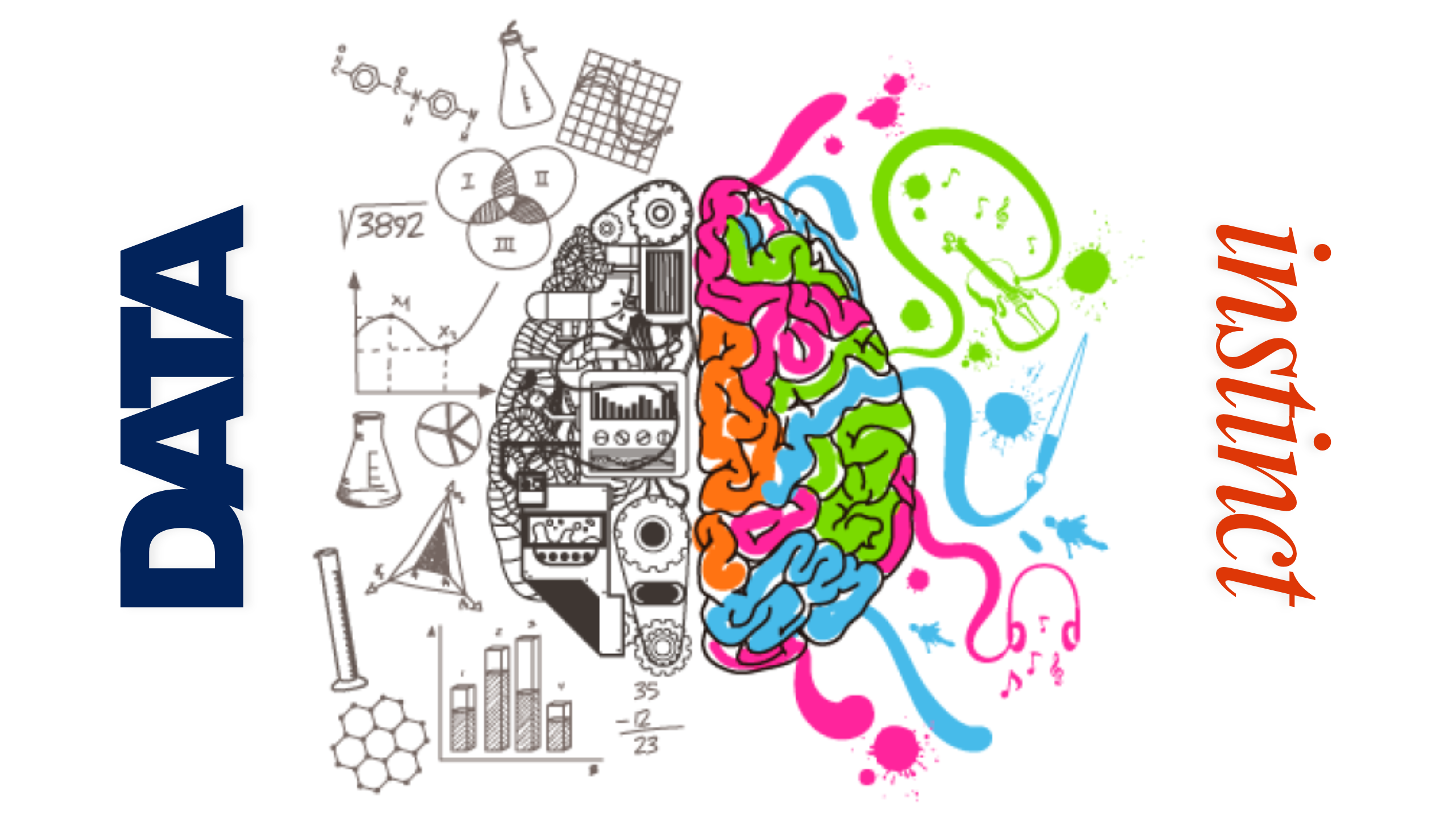
If you’ve been in business for any length of time, I am sure you’ve come across some moment where you had a “gut feeling” about something. A time when your instincts were telling you something that they thought were really important.
The research calls this “tacit knowledge,” which is academic-speak for “all the stuff you know that you don’t know you know.” It’s like having a brilliant advisor who refuses to explain their reasoning but has been right about everything for twenty years.
Here’s the thing; the same gut feeling that helps you spot brilliant opportunities can also lead you spectacularly astray. And the more successful you become, the more dangerous this gets.
Your Brain’s Secret Supercomputer
Your business instincts aren’t mystical, they’re just your subconscious running incredibly sophisticated pattern recognition on everything you’ve ever experienced. When you meet a potential client and something feels “off,” you’re not being psychic. Your brain has spotted micro-patterns from thousands of previous interactions and is flashing you a warning.
This is enormously powerful. Your gut can process complexity that would take spreadsheets weeks to untangle. It can sense what customers really want (not what they say they want), spot team dynamics before they explode, and identify opportunities that don’t yet show up in the data. But here’s the trap, your past successes can make your instincts overconfident and lead you astray in the moment.
Ironically, the more right you’ve been, the less likely you are to question your instincts. Experienced entrepreneurs actually become more susceptible to bias than beginners, because they stop looking for evidence that contradicts their hunches.
Your brain starts cherry-picking information that supports what you already believe. That “gut feeling” about a new product launch might actually be confirmation bias dressed up as wisdom. You’re not reading the market, you’re reading your own assumptions back to yourself.
Which is why you need more than your instincts, you need data.
But Your Spreadsheet is Both Genius and Idiotic
Data is great, and executives have probably become practically obsessed with it over the years. Mainly because we recognise how fleeting our instincts can be, but data is simultaneously the most powerful tool in business and the most dangerous.
Data is powerful because it doesn’t care about your feelings. It doesn’t care that you went to school with the supplier’s nephew, or that you’ve always believed red packaging sells better than blue. It simply tells you what happened.
But data is dangerous precisely because it doesn’t care about your feelings. And feelings, it turns out, contain rather a lot of useful information.
When your data tells you that Customer Segment A is 15% more profitable than Customer Segment B, it’s telling you something true and important. What it might not be telling you is that Customer Segment A are also complete nightmare clients who make your best employees cry, while Customer Segment B are lovely people who recommend you to their friends and make coming to work a joy.
Your gut feeling knows this. Your spreadsheet doesn’t.
The Solution is a combination
Too often leaders seem to lean either completely one way or the other. Either every decision is based only the hunches of someone in the C-suite, or they are built exclusively out of the masses of data mined through consumer research. The trick here, much like in the rest of our lives, is to avoid either extreme.
Learn how to humanise your data with qualitative research along with the qualitative, and also find ways to test and refine your hunches.
One Practice That CAn Help
Here’s the single most powerful way to shape your instincts: start keeping a decision journal.
Not a diary, just a simple record of your hunches and their outcomes. Every time you have a strong gut feeling about something important, write down:
- What you think will happen (be specific)
- Why you feel this way (what’s driving the instinct?)
- How confident you are (1-10 scale)
Then, after 3-6 months, go back and see where you were right and where you were wrong. More importantly, look for patterns in your accuracy.
When you write down your hunch (“I think we should hire Sarah because something about her felt right”), you’re taking invisible knowledge and making it visible. When you then test that hunch against data (“Let’s see how our last three ‘gut feeling’ hires performed versus our ‘perfect on paper’ hires”), you’re combining intuition with evidence. And when you reflect on the results (“Ah, my gut was right about Sarah’s creativity but wrong about her attention to detail”), you’re improving your intuition for next time.
Doing this consistently will help you discover something fascinating (but not really surprising): your instincts are brilliant in some areas and terrible in others. Maybe you’re spot-on about people but hopeless about timing. Perhaps you nail product decisions but consistently misjudge pricing.
Treat your hunches like information so you can reshape the way that your brain recognises patterns. This isn’t about proving your gut wrong, it’s about training it to be more reliable. It treats your instincts like a hypothesis that can be tested and therefore reshaped into something stronger next time.
Why This Works
The journal transforms vague feelings into testable predictions. It forces you to articulate why you believe something, which often reveals whether you’re responding to genuine patterns or just your own biases.
Over time, you’ll naturally start trusting your instincts more in areas where you’re consistently accurate, and seeking more data in areas where you’re frequently wrong. Your gut feeling becomes more calibrated, more nuanced, and ultimately more valuable.
The Three Questions Every Small Business Owner Should Ask
Before any significant decision, ask yourself:
- What does my data tell me? (Be honest. Not what you want it to tell you, but what it actually says.)
- What does my gut tell me? (Again, be honest. Not what you think you should feel, but what you actually feel.)
- Where do they disagree, and why might that be? (This is where the magic happens.)
If they agree, crack on. If they disagree, you’ve just identified the most important question to explore before deciding.
The Future Belongs to the Hybrid Thinkers
We’re entering an age where pure data analysis is increasingly automated. AI can spot patterns in spreadsheets better than humans can. But AI can’t sit across from a potential client and sense that despite their positive words, something feels off. It can’t walk through a retail space and intuitively know that the layout feels wrong.
The competitive advantage of the future won’t belong to those who can analyze data (machines will do that) or those who can only read people (useful, but limited). It will belong to those who can do both, simultaneously, and know when to weight each more heavily.
The goal isn’t to replace intuition with data or vice versa. It’s to create a feedback loop that makes your instincts genuinely trustworthy rather than just confident.
Your gut feeling isn’t going anywhere, but it can get a lot smarter.