

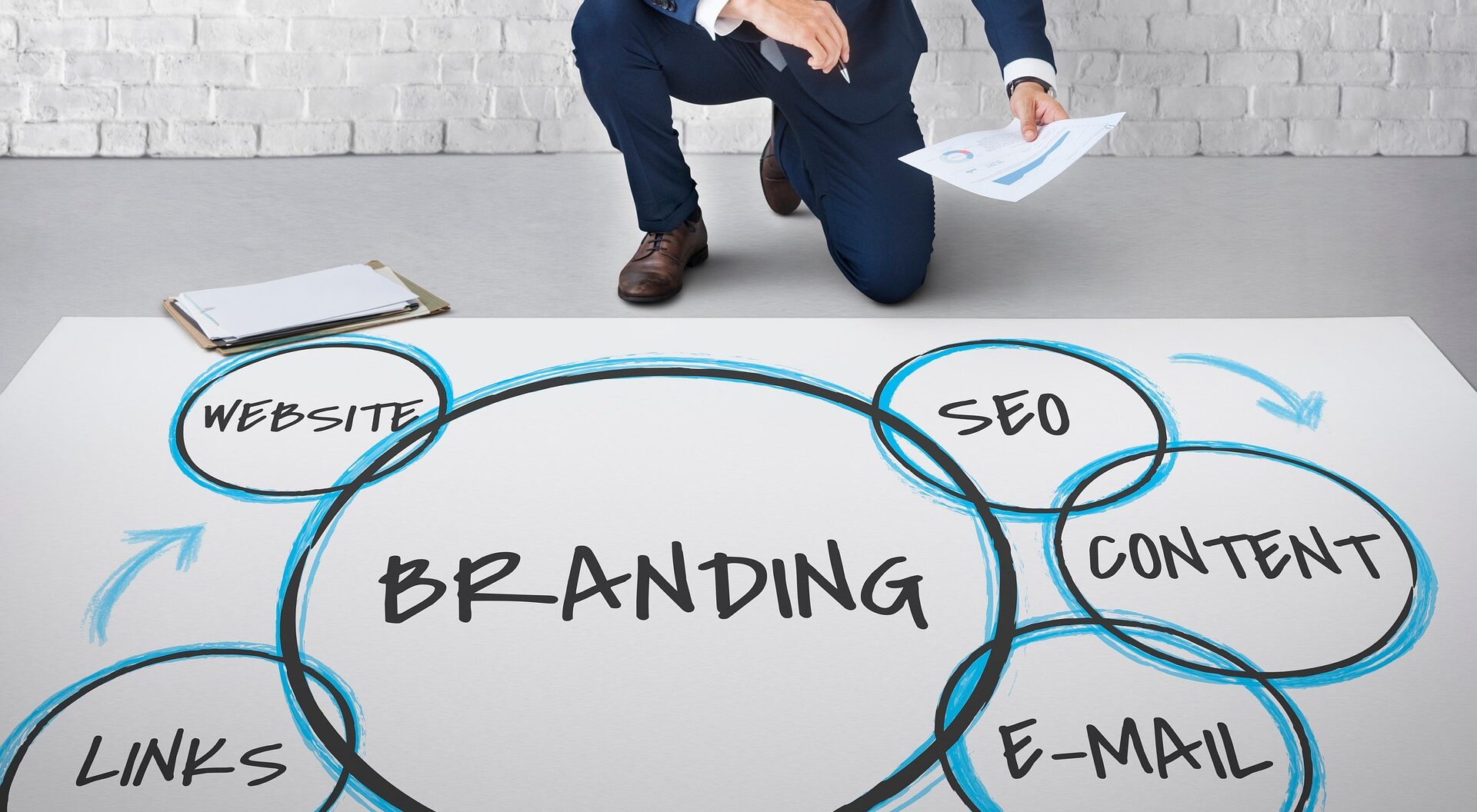
Here’s why smart companies are investing in story, not just sales
I get it, you’re watching the news, scrolling your feed, and the message is loud and clear. The economy’s shaky, costs are rising, and uncertainty is the new normal. If you’re running a business, the natural instinct is to pull back from advertising and leave behind brand-led growth strategies. Cut the “extras,” delay the campaigns, and focus only on what brings immediate sales.
But here’s where it gets interesting. While many are slamming on the brakes, the sharpest brands are hitting the gas. Not by throwing more money into general advertising, but by investing in something deeper; their brand.
Your brand matters more when people are Unsure
When fear is in the air, people crave something they can count on. They don’t just look for the cheapest option, they look for the most trustworthy.
Performance marketing (product ads, discounts, and retargeting campaigns) work great when people are in the mood to spend. But during downturns? People hesitate. Clicks slow. And ad costs keep climbing.
Brand-led growth, on the other hand, is about building something that outlasts the moment. It’s about trust, emotional connection, and becoming the product or service people cling to when things get rough.
According to a Nielsen IQ report, “During challenging economic times, building a resilient brand can protect your bottom line and drive growth.”
Loyalty isn’t luck. It’s built.
“By remaining visible, relevant and appealing, brands can capitalize on the reduced noise in the marketplace. This involves crafting compelling narratives that resonate with consumers, thereby strengthening mental availability, attachment and image.”
“Building an Irresistible Brand during Economic Stagnation: A Strategic Imperative”, Nielsen IQ, 30 August 2024

less chasing, more anchoring
It’s tempting, especially in tough times, to pour every last dollar into performance marketing; to chase quick clicks, conversions, and short-term wins. But here’s the truth most brands forget, long-term resilience isn’t built in the conversion funnel. It’s built in the mind and heart of your customer.
Study after study shows this. While performance marketing delivers an instant hit, brand building delivers staying power. In fact, research from Sprout Social’s 2025 Social Media Index found that 76% of consumers are more likely to buy from brands they feel emotionally connected to (Sprout Social, 2025). That emotional pull becomes your safety net when the market shakes, because people don’t just stick with products. They stick with the brands they trust.
There’s real money on the table, too. Strong brand loyalty isn’t just about warm feelings. It boosts profits, lowers customer acquisition costs, and even gives you pricing power. When customers already trust you, you don’t have to fight tooth and nail for every sale or discount your way to relevance.
The smartest marketers aren’t abandoning performance marketing altogether, but they are rebalancing. Research shows the most effective mix often gives a healthy share of investment to brand building, not just to keep the lights on today, but to make sure you’re still standing, and thriving, tomorrow.
It’s not about cutting. It’s about balancing.
brand-led growth and resilience in real life
Let’s look at the brands that didn’t flinch.
When COVID hit, Nike didn’t go dark — they leaned into their core message of resilience. Campaigns like “You Can’t Stop Us” weren’t just ads; they were rallying cries. Post-pandemic, Nike’s stock surged 38%.
Apple? Same story. Economic slowdown or not, they never stop innovating or telling the “Think Different” story. That’s why they keep winning.
Even smaller players like Glossier and Allbirds have shown that brand strength, not just ad spend, is what builds a loyal tribe.
measuring what doesn’t click
One big hesitation I hear all the time is, “How do we measure this?”
That is a fair question, but we’ve got tools now:
- Google’s Brand Lift studies
- Social sentiment tracking and social listening tools
- Long-term sales lift
- Customer lifetime value (CLV)
Companies like Unilever even tie leadership bonuses to brand-led growth metrics. You don’t have to abandon ROAS, you just need to widen your scoreboard.
shifting the mindset
Here’s the uncomfortable truth, brand investment isn’t just about tactics. It’s about courage.
It’s hard to sell long-term thinking when the bills are due right now. Boards, investors, and even your own team may push back. But the companies who pull this off don’t choose between brand and performance, they weave them together.
We’re also seeing a rise in event-based marketing as brands look for deeper emotional connections with their audiences. Whether it’s pop-up shops, community workshops, live-streamed product launches, or exclusive in-person gatherings, these moments create shared experiences that leave a lasting impression.
Events tap into something performance marketing can’t easily replicate — they humanize the brand, build community, and give people a memory to tie to your name. In fact, research by Event Marketing Institute & Mosaic shows that 74% of consumers say engaging with branded events makes them more likely to buy the product being promoted.
In tough economic times, where trust and relevance are everything, these live or virtual touchpoints can amplify brand loyalty in powerful, personal ways.
Great storytelling, smart content, organic engagement, and a impact focussed brand-led growth strategy all work together to make every dollar work harder.
where to go from here
If you take one thing away from this, let it be this; don’t go dark.
The brands that win after downturns are the ones who showed up when it was hard.
Start with a brand audit. Ask yourself:
- What do we stand for?
- What do our customers really believe about us?
- Where can we tell a stronger story in our content, our customer experience, our social media, and even in how we talk inside the company?
This is your moment to build something that lasts. Market to connect, not just convert.
And if you want help shaping that strategy, I’m here for you. Let’s make sure your business doesn’t just survive this — it thrives because of it.